Child-focused medical care brought to your house — often calmer for a sick child than a clinic waiting room.
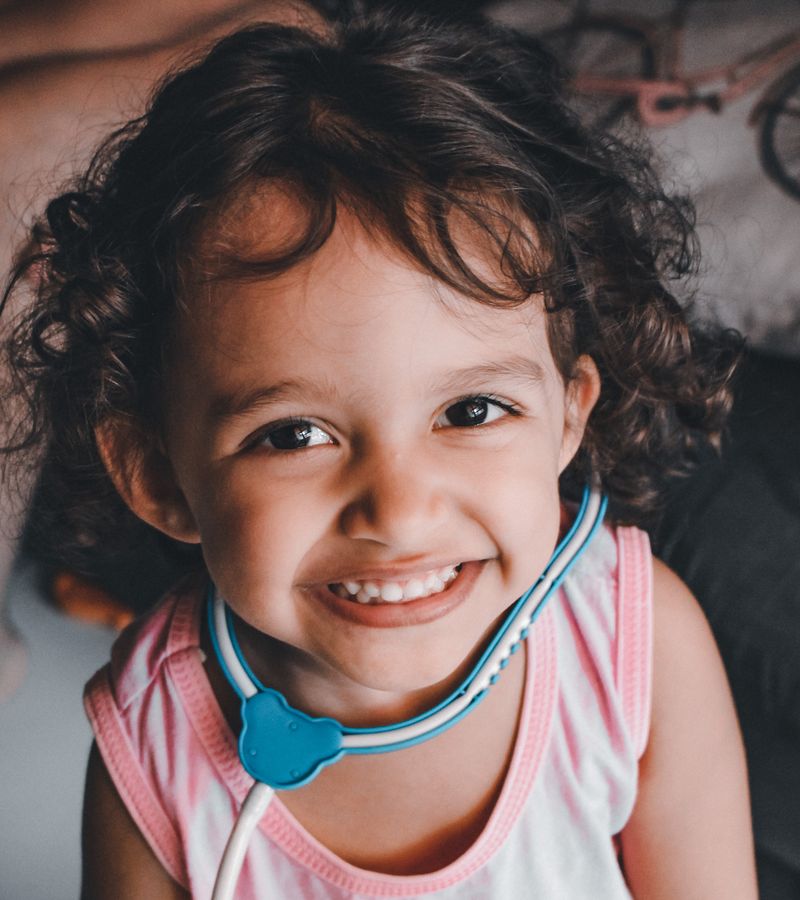
A pediatrician home visit brings child-focused medical care to your house — one of the most requested consultation types, particularly for fever and minor childhood illnesses.
Keeping a sick child in a familiar environment, rather than a clinic waiting room surrounded by other unwell children, often makes both the examination and recovery easier — children are frequently calmer and more cooperative at home.
We don't charge anything for the referral. This is roughly what pediatricians in past referrals have charged.
Similar to general physician pricing.
Often priced slightly higher.

Tell us about your child's symptoms and your pincode.

Someone who's already used a pediatrician nearby.

Who they used, cost, and how it went.

Contact them directly — we're not involved.
"My toddler had a fever and I dreaded another clinic visit with a cranky, unwell child in a waiting room full of other sick kids. A mom friend mentioned her pediatrician does home visits and shared the contact. My daughter was noticeably calmer being examined on our own couch instead of a clinical exam table."
Getting a sick or unwell child properly examined without the stress of a clinic visit is one of the most valued home healthcare services for families. This guide covers why home visits work particularly well for children, common visit types, and what to expect for a newborn specifically.
Children, especially younger ones, often become more anxious and less cooperative in an unfamiliar clinical setting — the sterile smell, unfamiliar equipment, and sometimes the sight of other unwell children can genuinely heighten distress before an examination even begins. At home, in a familiar room with familiar toys or comfort objects nearby, children are frequently calmer, which often makes for both a more accurate examination and a less traumatic experience for the child.
Fever in children often prompts a home visit specifically because pediatricians can properly assess the whole clinical picture — how the child is actually behaving alongside the temperature reading — rather than relying on a phone description alone. Ear infections are common in young children and benefit from direct examination with an otoscope, something video consultation can't replicate. Feeding concerns in infants — whether about weight gain, latch issues, or general feeding patterns — often benefit from a pediatrician observing an actual feeding session at home.

Many pediatricians specifically accommodate newborn visits at home, since this avoids early exposure to other illnesses in a clinic waiting room during a period when a baby's immune system is still developing. Early newborn visits typically check weight gain, feeding, jaundice levels, and general development, alongside answering the many practical questions new parents commonly have — a home setting often makes this conversation feel less rushed than a typical clinic slot.
Difficulty breathing, a high fever in a very young infant (particularly under 3 months), signs of severe dehydration, unresponsiveness, or any symptom that feels genuinely alarming needs emergency care immediately, not a scheduled home visit. A responsible pediatrician or referral source will always direct you to emergency care when a situation warrants it, rather than attempting to manage something beyond what a home visit can safely handle.
Using the same pediatrician consistently, rather than a different one for each concern, builds genuine familiarity with your child's specific health history, growth pattern, and typical behaviour — this familiarity often helps a pediatrician notice subtle changes or concerns more effectively than someone meeting your child for the first time each visit.
Your child's vaccination record, any recent growth measurements, and a clear timeline of the current symptoms all help the pediatrician assess efficiently. For a newborn visit specifically, having recent weight measurements and feeding logs (if you've been tracking them) gives useful context for the pediatrician's assessment.
Whether it's your newborn's first check-up or your toddler's third fever this month, the hardest part is often just finding a pediatrician genuinely available and comfortable with home visits. A referral from a nearby family who's already found one removes most of that uncertainty. Share your pincode, see who's already found their pediatrician, and take it from there.
Yes, many pediatricians specifically accommodate newborn visits at home, avoiding early clinic exposure to other illnesses.
Fever, ear infections, minor rashes, feeding concerns in infants, and general wellness check-ins are among the most common.
Often yes — children are frequently calmer and more cooperative in a familiar environment, away from a clinic waiting room.
Difficulty breathing, high fever in a very young infant, severe dehydration, or unresponsiveness need emergency care immediately, not a scheduled visit.
Yes, and it's genuinely valuable — familiarity with your child's specific history helps a pediatrician notice subtle changes more effectively.
Your child's vaccination record, recent growth measurements, and a clear symptom timeline help the pediatrician assess efficiently.
Pricing is similar, though newborn-specific visits are sometimes priced slightly higher given the additional assessment involved.
You do. We only make the introduction — whether you go with the referral or choose someone else is entirely up to you.
